Akko- 20-21 May 2026
How long have you been tattooing?
I started tattooing in 1999 with someone who claimed he would teach me, but in reality I was mostly making designs for him and didn’t learn much. I eventually left and looked for proper opportunities elsewhere. In 2001, I landed an apprenticeship at an H.A. shop, where I truly learned the craft. So while I began in 1999, my professional journey really started with my apprenticeship in 2001.
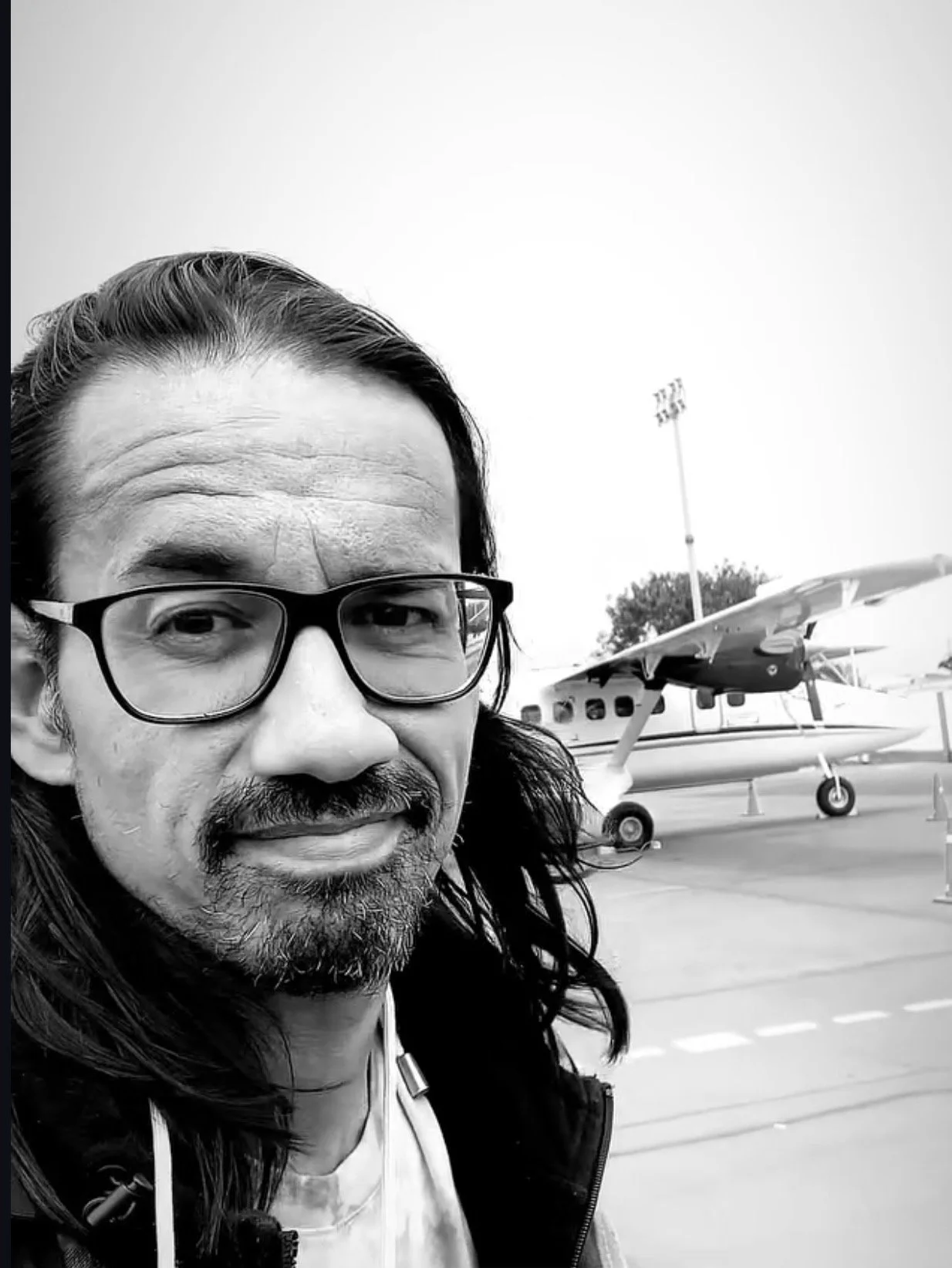
What is the tattoo scene like in Amsterdam, where you live?
Tattoo culture in Amsterdam is vibrant and constantly evolving, but it’s also heavily driven by tourism. Many shops tend to follow trends—whether it was tribals, mandalas, or now fine-line work. If you specialize in a niche like traditional American or Japanese, it can be more challenging to find clients, especially at first. That said, local artists can still build a strong client base over time.
For guest artists or non-locals, it’s much harder to establish consistency, and social media becomes essential.
Personally, I rely on my network and the fact that I’ve been tattooing in the city center for over 20 years, which brings in a steady flow of clients. Even if they come in for different styles, many are open to exploring the style I’m focusing on.
What do you like most about where tattooing is in this strange new world we live in?
Tattoo culture in Amsterdam is vibrant and constantly evolving, but it’s also heavily driven by tourism. Many shops tend to follow trends—whether it was tribals, mandalas, or now fine-line work. If you specialize in a niche like traditional American or Japanese, it can be more challenging to find clients, especially at first. That said, local artists can still build a strong client base over time.
For guest artists or non-locals, it’s much harder to establish consistency, and social media becomes essential.
Personally, I rely on my network and the fact that I’ve been tattooing in the city center for over 20 years, which brings in a steady flow of clients. Even if they come in for different styles, many are open to exploring the style I’m focusing on.
Tell me your favorite thing about the life of a traveling Tattooer.
My favorite part about traveling as a tattooer is the chance to become part of a local community, even if only for a short time. It’s about experiencing everyday life in a new place, getting inspired, and recharging creatively.
Traveling gives me perspective. You meet like-minded people, share experiences, and realize that every place has its own beauty—including home. It’s less about chasing the idea that the grass is greener elsewhere, and more about appreciating different ways of living and connecting through what we do.
What’s the most remote place you’ve been to?
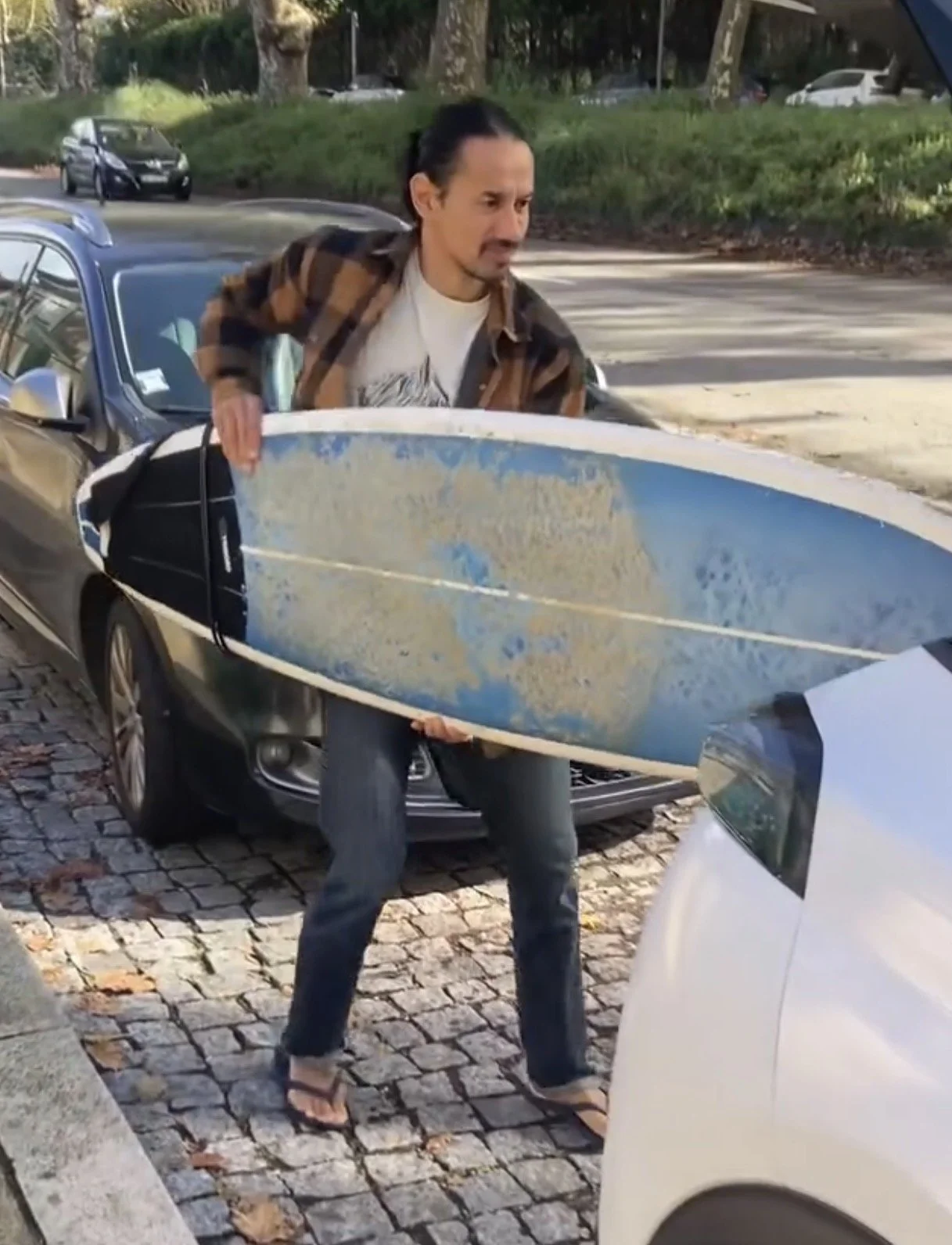
The most remote place I’ve been to is Chicama in Peru. I went there last year after learning it has one of the longest waves in the world—I’m really into surfing. What attracted me was how untouched and non-touristy it seemed.
It turned out to be an incredible experience. It’s quiet, authentic, and offers a unique chance to surf in a truly special environment. If conditions are right, you can catch the longest left-hand wave, which is amazing. On top of that, the food and drinks are great and affordable. It really feels like you’re at the edge of the world—a very special place that I’d definitely recommend.
What’s one thing most people don’t know about you?
Something most people don’t know about me is that I’m a big fan of girly electric pop music—and I’ve recently started dancing salsa.
Any favorite books films or music you’re into these days?
My all-time favorite film is Point Break—you can’t go wrong with Patrick Swayze and Keanu Reeves.
When it comes to books, I read a lot but don’t have a single favorite. One I keep returning to, though, is Meditations by Marcus Aurelius. I appreciate the clarity of his thoughts, and his perspective often resonates with me depending on where I am in life.
What do you tell younger people who want to get into tattooing these days?
For anyone starting out in tattooing, my biggest advice is to find a proper apprenticeship—that’s essential. Beyond that, it’s about respect for the craft, the people in it, and the process. And most importantly: keep drawing.